


PRISM Membrane Systems
How membrane separators work
in petrochemical plants
Removing impurities from gas streams saves money by recycling and
reusing valuable gases. Gas mixtures may even be cycled through multiple
times to achieve the desired reaction.
Hydrogen recovery from methanol purge
Methanol is produced by introducing a synthesis gas stream into a catalytic
reactor. The synthesis gas is comprised of hydrogen,carbon monoxide,
carbon dioxide,and inert byproducts like methane,nitrogen,and argon.
Methanol conversion does not completely synthesize in the frst pass,so the
process requires the components to be looped through a cycle. This process
causes the inert byproducts to accumulate and purge.
The resulting purge gas contains high concentrations of the synthesis
gas components. It also includes methanol,which is not removed by the
liquefaction step. If not reclaimed,this methanol can be a costly waste
of product.
PRISM Membrane Systems treat the purge stream by separating methanol
as the product gas and returning the hydrogen to the synthesis loop. The
system usually includes a water scrubber to recover methanol lost in the
purge. PRISM Membranes recover 90% of the hydrogen and 60% of the
carbon oxides. The system is easily adjusted to meet fuctuating production
of the methanol plant.
H₂/CO Synthesis Gas Ratio Adjustment (SynGas)
The very first PRISM Membrane System was built for this exact application in
1977. PRISM Membrane separators adjust the hydrogen to carbon monoxide
ratio in oxo-alcohol synthesis gas streams. Membrane separation is a good
ft for this application since the feed gas is treated at essentially the same
pressure as the synthesis loop pressure. The hydrogen/carbon monoxide
ratio can be easily adjusted to meet specifc process requirements.
Petrochemical applications of PRISM Membrane Systems
Hydrogenation Purge Streams
Recovered hydrogen from the membrane system feeds the hydrogenation process and can also be used elsewhere in the plant. PRISM Membrane Systems are designed to upgrade hydrogen from 60–70 mol% purity up to 85–90 mol% with recovery rates exceeding 80%. If the purity requirement is fexible, higher recovery rates can be achieved. PRISM Membrane Systems handle widely fuctuating purge fow rates and conditions where other hydrogen recovery systems falter.
Hydrogen Recovery from PSA Purge Gas
When paired behind a PSA system,PRISM Membrane Separators can recover up to 97% of the hydrogen by compressing and upgrading the tail gas.
Carbon Monoxide Enrichment
PRISM Membrane Systems purify carbon monoxide (CO) from feed streams that contain hydrogen.
In this application,the PRISM Membrane System can produce 85 mol% purity CO in a single stage system. For systems requiring higher purity CO,a two-stage system and a recycle compressor will improve the separation,increasing the CO product purity to 95 mol% or greater.
Membrane separation removes water vapor as well as hydrogen so the CO gas stream is ready to use without additional dehydration.

How membranes work for gas separation
Gas molecules permeate across the thin skin of the hollow fber wall driven by a partial pressure diference. The permeation rate is specifc to the gas–polymer pair. The transport mechanism is a combination of solubility into and difusion through the membrane. Separation capability is determined by the relative permeation rates of the individual gas components. The greater the diference in permeability,the greater the efective separation by difusion.
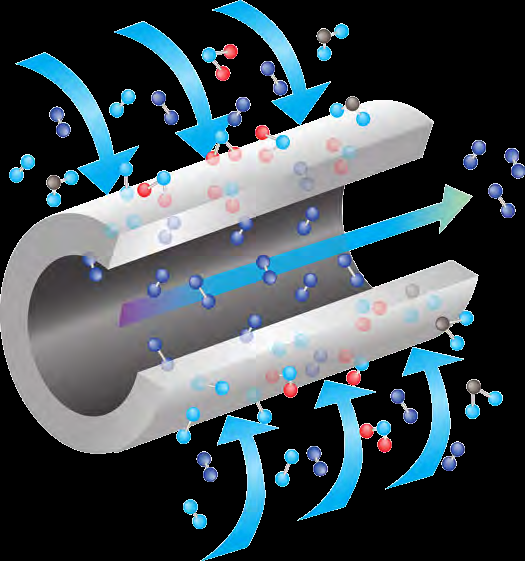
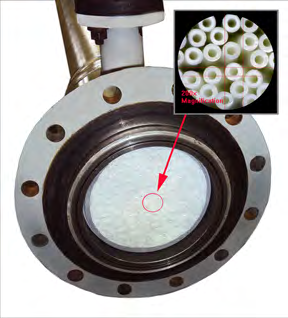
Membrane separatorscontain thousands ofhollow fbers.Air Products’PRISM membranes:experience,performance,and value.
Membrane separator design
• Easy installation of single membrane bundle in each pressure vessel.
• Simple and durable diferential pressure seal design.
• Axial packed fbers (rather than tightly wound confguration).
• Pressure vessels built to: ASME, PED, GOST, GB, and other international codes.
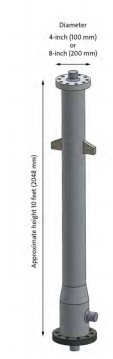
• Available in 4-inch (100mm) and 8-inch (200mm) diameter.
Membrane arrangements
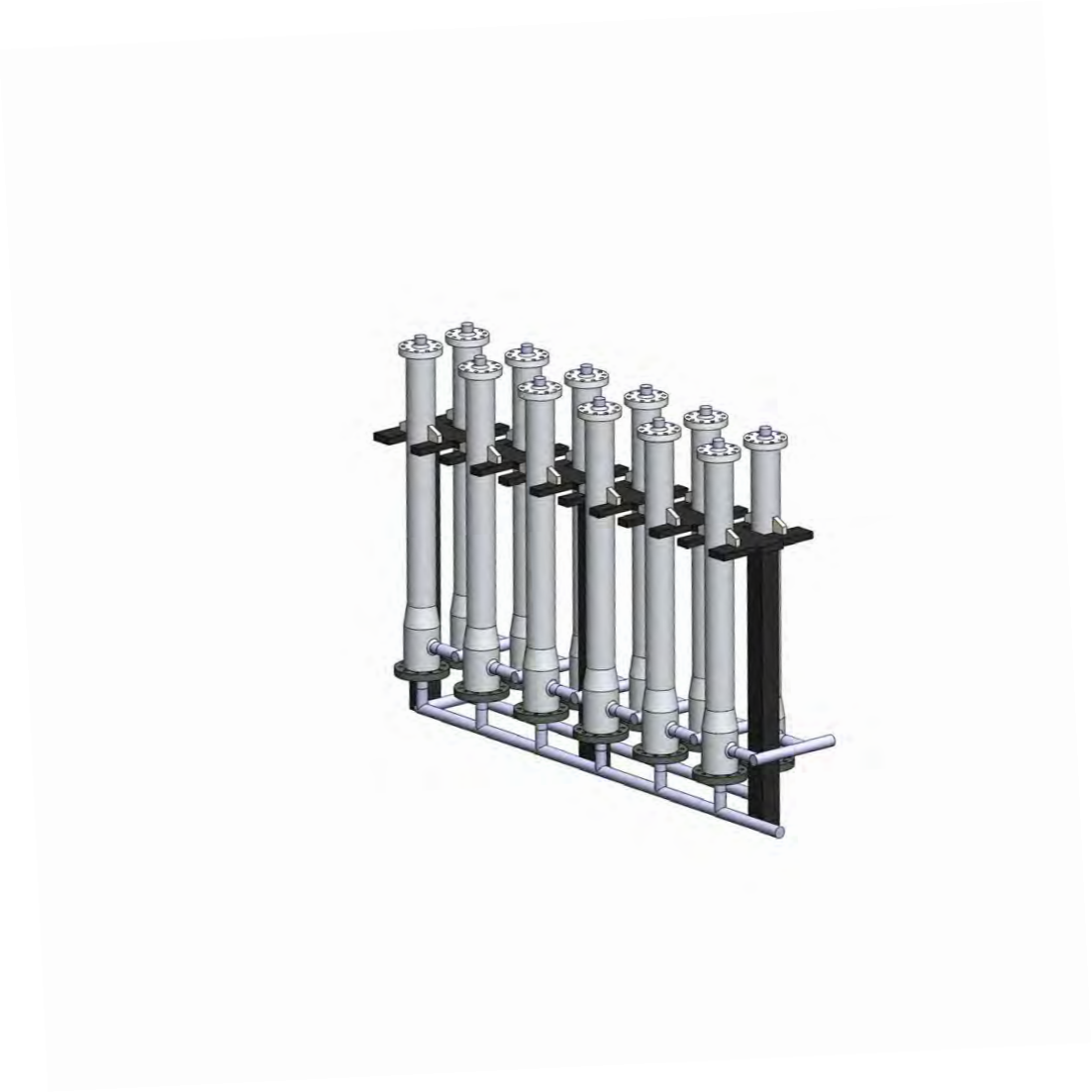
Series and parallel
• Series arrangement allows easy capacity turn up and turn down while protecting downstream separators from pretreatment upsets.
• Parallel confgurations accommodate larger fow volumes.
PRISM Separators have no ramp-up requirements so they can be activated immediately when process volumes increase.



Follow Us:


